

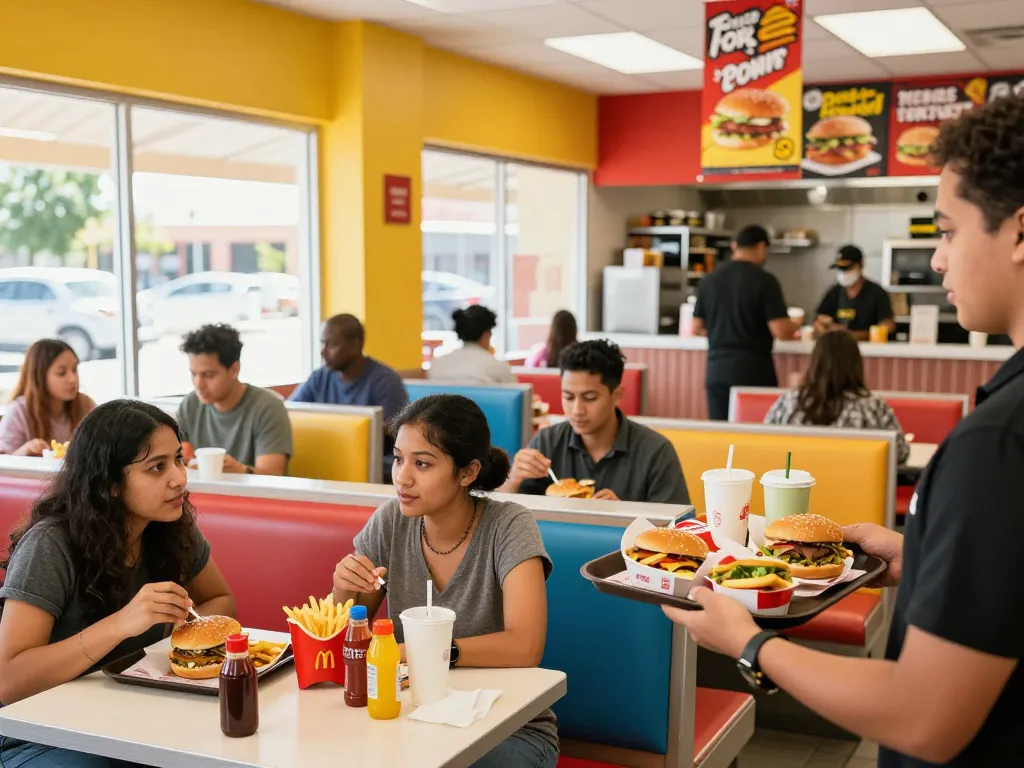
Understanding Fast Food Prices: Trends and Influences
Fast food prices have become a hot topic among consumers and economists alike, especially in light of recent economic challenges. With the rapid rise in costs, it is essential to understand the dynamics behind these price changes and how they affect consumers across the country. As we navigate the evolving landscape of fast food dining in 2026, exploring fast food prices reveals not just the financial trends, but also the implications for different income groups and geographic locations.
What Are Current Fast Food Prices?
In 2026, the average fast food meal costs approximately $11.50, experiencing notable price inflation over the past few years. For instance, a typical combo meal, which includes a sandwich, fries, and a drink, can often exceed this average, particularly in metropolitan areas. Cities like San Francisco and New York showcase prices that can reach $13.88 or more for similar meals, reflecting the high cost of living in those regions.
Factors Influencing Price Changes in 2026
Several key factors contribute to the ongoing surge in fast food prices:
- Inflation: General economic inflation has led to increased costs of ingredients, labor, and operations.
- Supply Chain Disruptions: The ongoing aftereffects of the pandemic continue to impact supply chain stability, affecting everything from meat prices to packaging costs.
- Increased Labor Costs: Many states have raised minimum wage laws, which directly affect employee wages in fast food establishments.
- Consumer Demand Shifts: The demand for healthier options and premium menu items has led chains to adjust pricing strategies accordingly.
Comparative Analysis of Fast Food Prices by Region
Fast food prices vary significantly by region, with some states reflecting higher averages than others. For example, Hawaii consistently ranks as one of the most expensive states for fast food, with certain meals costing upwards of $18.99. Conversely, states like Texas and Ohio typically report lower average meal costs.
The Impact of Inflation on Fast Food Prices
How Inflation Affects Consumer Choices
Inflation undeniably affects consumer choices, pushing many individuals to reconsider how often they engage in fast food dining. As prices rise, families are increasingly opting for grocery shopping and preparing meals at home rather than spending on fast food. This shift can lead to decreased revenue for fast food establishments, prompting them to rethink pricing and marketing strategies.
Fast Food Prices vs. Grocery Prices: A Comparison
The contrast between fast food prices and grocery prices has become more pronounced in recent years. While grocery prices have also risen due to inflation, the relative cost of fast food has surged even more dramatically. For many families, cooking at home is not only healthier but also more cost-effective.
Historical Overview of Fast Food Price Changes
Examining historical data reveals that fast food prices have increased by more than 40% over the past five years, with significant jumps noted during economic downturns. The trend suggests that as operational expenses soar, fast food chains will continue to raise prices to maintain profit margins.
Maximizing Value: Strategies for Budget-Friendly Fast Food Dining
How to Find Deals and Discounts on Fast Food
Consumers are urged to be proactive in seeking out deals available through apps, loyalty programs, and promotions. Many chains now offer exclusive discounts to app users or during specific times of the day, which can significantly reduce overall expenses.
Understanding Combo Meals and Value Menus
Combo meals and value menus are designed to provide a meal at a lower price point compared to ordering items separately. By opting for these options, customers can enjoy a more filling meal without overspending.
Tips for Cost-Effective Fast Food Choices
- Share Meals: Consider sharing larger meals with family or friends, which can reduce individual costs.
- Opt for Water: Instead of purchasing soft drinks, choosing water can decrease the total bill.
- Stay Updated on Promotions: Follow your favorite chains on social media to remain informed about special deals or discounts.
- Use Coupons: Search for coupons online or in local newspapers before heading out.
Regional Differences in Fast Food Pricing
Fast Food Prices: The Most Expensive States
States such as Hawaii, California, and New York frequently top the list for high fast food prices, driven by extensive operational costs and increased demand. Consumers in these areas may find it challenging to maintain a budget when dining out.
Affordable Fast Food Options Across Major Cities
Despite the overall inflation, many cities offer specific fast food chains with lower price points, often due to competition among establishments. Researching local options can help consumers make more informed dining choices.
Price Variability: What Consumers Should Know
Fast food pricing can vary greatly even within the same city, influenced by location and local economic conditions. Awareness of these disparities can help consumers find better deals and maximize value.
Future Predictions for Fast Food Prices
What to Expect in Fast Food Pricing Trends by 2027
Looking ahead, experts predict continued price increases in the fast food sector driven by ongoing inflation and consumer expectations. Fast food chains may pivot their business models to accommodate changing economic landscapes.
Emerging Influences on Fast Food Pricing Strategies
As sustainability and health become focal points for consumers, fast food chains will likely adapt their pricing strategies to include organic and locally sourced options, which may further influence overall prices.
Consumer Demand Shifts and Their Impact on Prices
Patterns in consumer preferences will continue to shape fast food pricing. The growing demand for plant-based and health-conscious meals suggests that companies will need to innovate their menus and pricing structures accordingly.
What Are the Most Common Fast Food FAQs?
As consumers grapple with fluctuating fast food prices, several FAQs often arise:
- Why Are Fast Food Prices So High? Corporate strategies, coupled with increased operational costs, play a significant role in soaring prices.
- What Can Consumers Do to Advocate for Fair Pricing? Engaging in discussions about fair wages for workers and supporting local fast food initiatives can drive positive change.
- How to Stay Informed About Fast Food Price Changes? Regularly visiting official websites, following social media channels, and subscribing to newsletters can keep consumers informed.
