

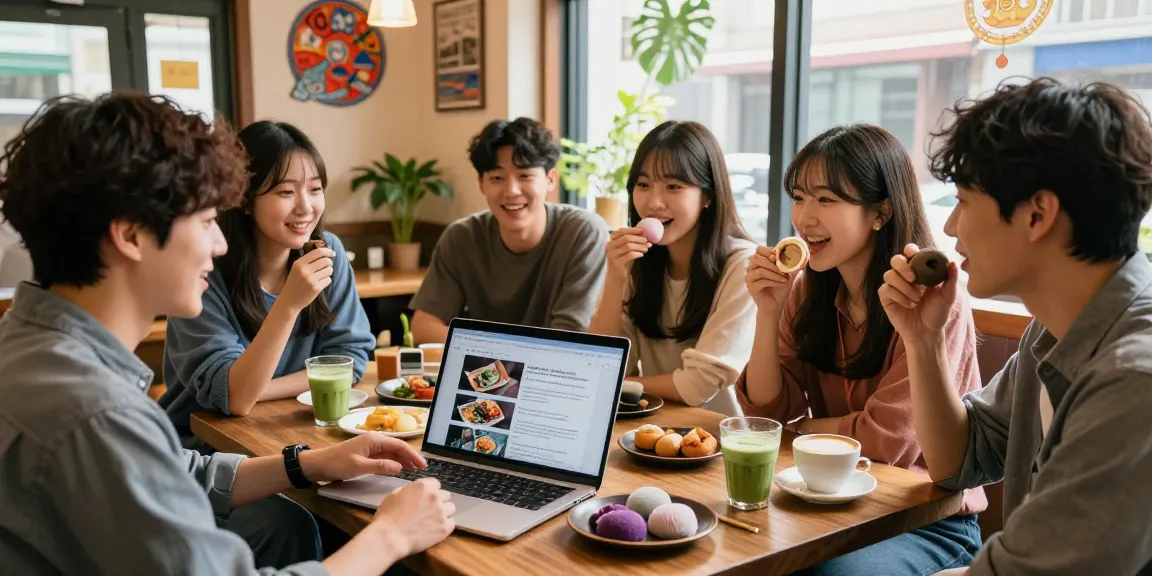
Understanding Asian Pop Culture
Asian pop culture has emerged as a significant global phenomenon, influencing music, fashion, film, and lifestyle trends worldwide. As the bridge between traditional Asian values and modern global influences, it reflects a unique blend of heritage, creativity, and innovation. The rise of K-pop and J-pop, along with the growing popularity of Asian dramas and films, is evidence of how deeply these cultures resonate with audiences beyond Asia. For Spanish-speaking individuals interested in exploring Asian culture, platforms like https://hanadultalk.com offer engaging content in Spanish, making it easier to connect with these cultural nuances.
What Defines Asian Pop Culture?
Asian pop culture encompasses a vast range of expressions, from music genres to fashion statements. It is characterized by its ability to blend various elements, including traditional practices, contemporary artistry, and the ever-evolving tastes of a youthful audience. Music, particularly K-pop, has played a pivotal role in this cultural wave, with artists like BTS and BLACKPINK achieving unprecedented global success. Similarly, anime and manga have captivated millions, showcasing unique storytelling and artistic styles that differ significantly from Western narratives.
Key Influencers and Trends in 2026
As we move into 2026, the influencers of Asian pop culture continue to expand. Social media platforms like TikTok and Instagram have become critical for artists to promote their work and connect with fans. Trends such as the rise of virtual idols and AI-generated content are emerging, pushing the boundaries of traditional entertainment. Additionally, cultural collaborations between Asian and Western artists are becoming more prevalent, blending styles and diversifying audiences.
Common Misconceptions About Asian Culture
Despite the widespread appreciation for Asian pop culture, misconceptions still exist. One prevalent myth is that all Asian cultures are homogenized, ignoring the rich diversity found within various regions and communities. Furthermore, there’s often a stereotype that Asian entertainment is solely focused on superficial aesthetics, overlooking the deeper cultural narratives and social commentaries presented in movies and songs. Understanding these nuances is essential for a well-rounded appreciation of Asian cultural contributions.
Navigating Asian Cuisine
The culinary world of Asia offers a tantalizing array of flavors that can be both comforting and adventurous. The diversity of ingredients and cooking techniques across countries like India, Thailand, Japan, and China provides endless opportunities for exploration. Whether it’s the spicy heat of Szechuan dishes or the umami richness of Japanese ramen, Asian cuisine has something to offer every palate. For those looking to embark on a culinary journey, it’s beneficial to explore popular dishes and learn how to prepare them at home.
Top Dishes to Explore: A Culinary Journey
Some iconic dishes to explore include:
- Sushi – A Japanese dish made of vinegared rice, often accompanied by raw fish and vegetables.
- Tom Yum – A Thai soup characterized by its hot and sour flavors, filled with shrimp, mushrooms, and herbs.
- Korean BBQ – A method where diners grill their own meat at the table, often served with an array of side dishes.
- Biryani – A fragrant Indian rice dish mixed with marinated meat and aromatic spices.
Fusion Cuisine: Blending Cultures in 2026
Fusion cuisine has gained popularity as chefs experiment with combining ingredients and techniques from different cultures. In 2026, expect to see more restaurants offering unique dishes that merge traditional Asian flavors with Western cooking styles. For example, Korean tacos combine the spiciness of Korean bulgogi with the convenience of a taco, creating a delightful culinary experience.
Cooking Techniques and Recipe Resources
Understanding various cooking techniques can enhance your ability to recreate Asian dishes accurately. Explore steaming, stir-frying, and braising to unlock the true potential of flavors. Websites, cooking classes, and food blogs provide extensive resources and recipes. Engaging with bilingual content can also prove beneficial for language learners who wish to combine their gastronomic interests with mastering Spanish.
Language and Learning Opportunities
Learning a new language can open doors to understanding different cultures on a deeper level. For Spanish speakers interested in Asian culture, there are abundant resources available that cater to bilingual learning. Engaging with content that incorporates both Spanish and various Asian cultural themes can significantly enhance language acquisition while simultaneously immersing learners in the culture.
Learning Spanish Through Asian Culture
Utilizing pop culture sources like music, films, and TV shows can make language learning more enjoyable. For instance, listening to K-pop songs with Spanish lyrics can help reinforce vocabulary and casual conversation skills. Engaging with Asian dramas in Spanish offers additional context for language learners, enabling them to grasp colloquialisms and cultural references.
Resources at https://hanadultalk.com for Language Learners
Platforms such as https://hanadultalk.com provide a treasure trove of bilingual content, making it easier for learners to navigate both language and culture. Interactive videos, articles, and community forums allow learners to practice their Spanish while discussing their favorite aspects of Asian culture.
Engaging with Bilingual Content Effectively
To maximize learning, it is essential to engage actively with bilingual content. This may include taking notes on new vocabulary, shadowing dialogues, or even participating in discussions on related topics. Leveraging social media groups and online communities can provide support and further motivation while enhancing language skills through collaborative learning.
Asian Entertainment: Films, Music, and Shows
The landscape of Asian entertainment is as dynamic as its cultures. From acclaimed films that explore intricate societal themes to the infectious rhythm of pop music, Asian entertainment has a vast array of offerings that captivate global audiences. Understanding the trends and influential artists within this space can provide deeper insights into contemporary cultural movements.
Must-Watch Korean Dramas of 2026
As Korean dramas (K-dramas) continue to gain traction worldwide, several titles are set to trend in 2026. Look for series that spotlight diverse narratives, such as “The Last Emperor”, which weaves historical intrigue with modern-day romance. Another anticipated title, “Heirs of Time”, blends fantasy elements with family drama, appealing to larger audiences across different cultures.
Impact of Asian Cinema on Global Perspectives
Asian cinema has made substantial contributions to global storytelling, focusing on diverse experiences, cultural dialogues, and complex character developments. Films like “Parasite” and “Your Name” have not only achieved critical acclaim but also sparked discussions about social issues and human relationships worldwide, shifting perspectives and broadening understandings of the Asian experience.
Streaming Platforms for Asian Content
With the rise of digital streaming platforms, accessing Asian content has never been easier. Services like Netflix, Viki, and iQIYI offer extensive libraries of films, series, and documentaries focused on Asian culture. These platforms provide valuable opportunities for viewers to engage with authentic narratives, while also catering to multi-language subtitles, enhancing accessibility for wider audiences.
Future Trends in Asian Cultural Exchange
As globalization continues to evolve, Asian cultural exchange is expected to flourish. Artists, creators, and cultural ambassadors are increasingly collaborating on projects that transcend borders, creating a rich tapestry of shared experiences and mutual understanding. This trend is likely to manifest in various forms, including joint productions, cross-cultural festivals, and digital art exhibitions.
Digital Platforms Shaping Cultural Content
In 2026, digital platforms will remain at the forefront of cultural exchange. The rise of virtual reality (VR) and augmented reality (AR) technologies promises to provide immersive experiences, allowing individuals to engage with cultures in entirely new ways. These technologies can create virtual tours of Asian festivals or interactive cooking classes, bringing cultural experiences directly into homes around the world.
Community Engagement and Social Media Roles
Social media will continue to play a vital role in connecting communities across cultures. Platforms like Instagram and TikTok give artists a stage to showcase their work and build global followings. Community-driven projects, such as online cultural initiatives or language exchange programs, foster connections and promote greater understanding between different cultural groups.
Emerging Cultural Collaborations by 2026
Future collaborations are set to challenge pre-existing narratives and create more inclusive platforms for cultural sharing. Collaborations across industries—such as fashion, music, and visual arts—will likely result in groundbreaking artistic expressions that resonate with global audiences. Expect to see more projects that merge distinct cultural elements, creating fresh and innovative narratives that reflect our interconnected world.
What are the benefits of exploring Asian culture?
Exploring Asian culture can enhance empathy, broaden perspectives, and promote cultural literacy. Engaging with diverse cultural expressions helps individuals understand complex global issues and fosters connections among communities. It encourages appreciation for differences and shared experiences, which is vital in our increasingly globalized society.
How to incorporate Asian cuisine into daily life?
Incorporating Asian cuisine into everyday meals can be as simple as trying out new recipes or visiting local Asian restaurants. Experimenting with ingredients like soy sauce, sesame oil, or spices such as ginger and turmeric can bring excitement to your cooking routine. Joining cooking classes focused on Asian dishes can also enhance skills and deepen cultural understanding.
Where to find reliable resources for language learning?
Reliable resources for language learning can be found on various educational platforms, including language exchange websites, mobile applications, and community language groups. Engaging with content that is relevant to personal interests, such as music or film, can significantly improve retention and make the learning process more enjoyable.
What streaming services offer the best Asian content?
Streaming services like Crunchyroll for anime, Viki for dramas, and global platforms like Netflix and Hulu have made significant strides in curating high-quality Asian content. Exploring these platforms can lead to discovering hidden gems and critically acclaimed works, nurturing a deeper understanding of various Asian cultures.
How does cultural exchange impact global perspectives?
Cultural exchange enriches lives by promoting diversity and understanding across borders. It facilitates dialogue and fosters respect among varied cultural identities, contributing to a more harmonious global community. Individuals who engage with different cultures can gain insights that challenge their beliefs and enhance their appreciation for global diversity.
