

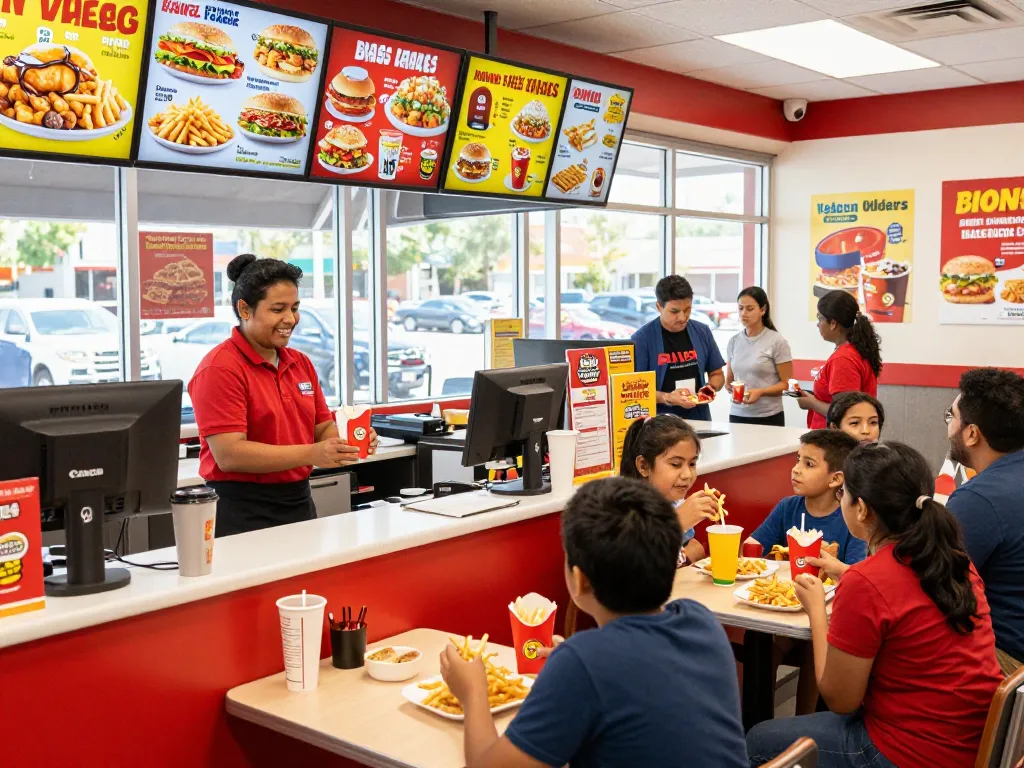
Understanding Fast Food Prices in 2026
As we move deeper into 2026, the landscape of fast food prices has become an essential focus for consumers, economists, and industry analysts alike. With fluctuating economic conditions, rising inflation, and evolving consumer preferences, understanding the dynamics behind fast food pricing is more important than ever. Fast food establishments have traditionally been known for their affordability, but recent trends indicate significant price increases that are reshaping consumer habits. When exploring options, fast food prices provide comprehensive insights into these emerging trends and how they affect dining choices across the nation.
Current Trends Affecting Fast Food Prices
In 2026, several trends are influencing fast food prices. The most prominent among these is inflation, which has affected everything from raw materials to labor costs. Additionally, the increasing demand for healthier menu options is leading many chains to adjust their pricing models. As fast food restaurants aim to provide more nutritious meals, the costs associated with sourcing higher-quality ingredients are reflected in menu prices.
Moreover, technological advancements in the industry, including the integration of mobile ordering and delivery services, are also contributing to price adjustments. While these technologies enhance convenience for consumers, they often come with increased operational costs that necessitate a review of pricing strategies.
The Impact of Inflation on Fast Food Costs
Inflation has been a driving force behind the rising cost of fast food in 2026. According to various reports, the average meal is now priced over $11.50, with some locations charging upwards of $15 for standard meals. This rise is attributable to several factors:
- Increased Ingredient Costs: Prices for key ingredients, especially meat and dairy, have surged significantly.
- Labor Costs: With a nationwide push for higher minimum wages, fast food establishments are facing higher payroll expenses.
- Supply Chain Disruptions: Ongoing supply chain issues stemming from the pandemic have made sourcing materials more expensive and challenging.
As a result, consumers are witnessing the direct correlation between inflation and pricing at their favorite fast food chains.
Regional Variations in Fast Food Pricing
Fast food prices can vary significantly across the United States, influenced by local economic conditions, cost of living, and state regulations. For instance, areas with a higher cost of living, such as San Francisco, tend to charge more for fast food items. An average combo meal in San Francisco can go as high as $13.88, while in other regions, meals may only cost around $9.00.
Understanding these regional variations is crucial for consumers who wish to manage their spending effectively. Additionally, fast food chains often adjust their menus and pricing based on local demographics and the competitive landscape.
Comparative Analysis of Popular Chains
Fast Food Prices at Major Chains
When evaluating fast food prices, comparing major chains such as McDonald’s, Burger King, and Wendy’s offers insights into how different brands position themselves within the market. For example, McDonald’s remains one of the most affordable options for a quick meal, with a Big Mac combo averaging around $10.50.
Conversely, chains like Chipotle and Panera Bread target a slightly higher-end market, with meals typically priced between $12 and $15. These brands focus on quality ingredients and a unique dining experience, justifying their elevated price points.
How Prices Vary by Location and Menu Items
Fast food prices are not only contingent upon the chain but also the specific location and menu offerings. Signature items, limited-time offerings, and regional specialties can significantly impact pricing. For instance, a spicy chicken sandwich may be a featured item in one region and sold at a price premium, while it might not even be available in another area.
Additionally, the introduction of value menus aims to cater to budget-conscious consumers, offering smaller portions or simpler meals at a reduced price. However, it’s essential to assess whether these value promotions provide actual savings compared to regular menu items.
Value Promotions: Are They Worth It?
In response to rising prices, many fast food chains have introduced value promotions to attract price-sensitive consumers. These promotions often feature combo meals at discounted rates or limited-time offers that promise exceptional value.
However, it’s crucial for consumers to analyze whether these deals deliver genuine savings. Examining individual item prices versus combo pricing can reveal the actual value being offered. In many cases, opting for a la carte items provides a more economical approach, especially for diners with specific preferences.
Consumer Perspectives on Fast Food Pricing
What Customers Expect from Pricing Transparency
With the rise in fast food prices, consumers are increasingly demanding transparency regarding pricing structures. Many diners wish to understand why prices have escalated, particularly when they feel the quality has not correspondingly improved. Surveys indicate that customers appreciate clarity about ingredient sourcing, preparation methods, and the factors influencing price increases.
Fast food chains that proactively communicate their pricing rationale tend to foster better relationships with their customers, enhancing brand loyalty and customer satisfaction.
The Role of Quality vs. Price in Fast Food Choices
As prices rise, the quality of fast food has come under scrutiny. Many consumers are now weighing the importance of quality against cost, leading to a shift in dining behavior. A growing number of consumers are willing to pay a bit more for meals that utilize organic or locally sourced ingredients, demonstrating a prioritization of health and sustainability.
This shift in consumer mindset has led several chains to innovate their menus, incorporating healthier options and premium ingredients, effectively justifying higher prices in the eyes of consumers.
Consumer Reactions to Recent Price Hikes
Recent escalations in fast food prices have prompted significant reactions from consumers. Many are expressing frustration and considering alternatives, with reports indicating a notable shift toward home-cooked meals or budget-friendly dining options. The perception that fast food has become less accessible for lower-income individuals has fueled discussions about equitable dining experiences.
Brands that adapt to consumer feedback and demonstrate responsiveness to pricing concerns may retain their customer base during these turbulent economic times.
Strategies for Budget-Friendly Fast Food Dining
Tips for Finding the Best Deals and Combos
To navigate the rising landscape of fast food prices, consumers can employ several strategies to save money while enjoying their favorite meals. Here are some actionable tips:
- Use Apps and Loyalty Programs: Many chains offer mobile apps that not only provide exclusive deals but also reward frequent customers with points redeemable for free items.
- Time Your Visits: Certain times of the day, such as mid-afternoon, might offer special pricing on combo meals to attract business.
- Look for Local Promotions: Check local advertisements and social media pages for limited-time offers specific to your area.
By staying informed and strategically planning meals, consumers can mitigate the impact of rising fast food prices.
How to Leverage Loyalty Programs for Savings
Loyalty programs can be a game-changer for fast food enthusiasts looking to save. By signing up for these programs, customers can unlock exclusive offers that significantly lower their dining costs. Many chains offer points for every dollar spent, which can later be redeemed for free items or discounts on future purchases.
In 2026, leveraging these programs effectively can mean the difference between paying full price and enjoying substantial savings over time.
Meal Prepping vs. Fast Food: Cost Comparisons
When evaluating dining costs, meal prepping emerges as a viable alternative to fast food. Although the convenience of quick meals is appealing, a cost comparison reveals that preparing meals at home is generally more economical. A typical homemade meal can cost between $3 and $5 per serving, whereas a fast food meal might average $11.50.
This stark difference encourages many consumers to consider their budgeting strategies and prioritize meal prep as not only a healthier option but also a cost-effective one.
Future Predictions: Fast Food Prices Beyond 2026
Emerging Trends in Fast Food Pricing Models
Looking ahead, the fast food industry is likely to witness further innovations in pricing models. Subscription services, where customers pay a monthly fee for unlimited meals, are gaining traction and could reshape how chains approach pricing strategies.
Additionally, dynamic pricing models influenced by demand and supply could become commonplace, allowing chains to adjust prices in real-time based on customer traffic and ingredient availability.
The Effect of Economic Changes on Future Prices
As economic conditions evolve, fast food prices will likely continue to fluctuate. Changes in agricultural production, labor laws, and consumer preferences will all play critical roles in determining how prices are shaped in the future.
Fast food chains must remain adaptable, using market data to make informed decisions that align with consumer expectations and economic realities.
Consumer Advocacy and Price Regulation Efforts
In response to growing concerns over price hikes and food accessibility, consumer advocacy groups are working towards greater regulation of fast food pricing. These efforts aim to ensure that low-income individuals can access affordable meals while encouraging restaurants to maintain fair pricing practices.
As these advocacy initiatives gain momentum, they could lead to significant changes in how fast food is priced and marketed, creating a more equitable dining landscape.
What are the average fast food prices in 2026?
As of 2026, the average price of a fast food meal hovers just above $11.50, with significant variations depending on the location and the restaurant chain. Major urban areas generally report higher prices due to increased costs of living and operational expenses.
Why are fast food prices rising faster than inflation?
The rise in fast food prices outpacing overall inflation can be attributed to various factors including higher wages for employees, increased costs for raw materials, and the necessity for chains to innovate their offerings in response to consumer demands for quality.
Which fast food chain has the best value meals?
Value perceptions vary, but chains like McDonald’s are often recognized for their extensive value menu offerings. However, restaurants like Taco Bell also provide competitive value meals that are popular among budget-conscious consumers.
How do fast food prices compare across different states?
There are significant discrepancies in fast food pricing across states. For instance, fast food meals in Hawaii tend to be among the highest in the country, whereas states like Texas or Arkansas generally offer more affordable options.
What strategies can help save on fast food costs?
Strategies for saving on fast food include utilizing loyalty programs, taking advantage of promotional offers, timing visits during off-peak hours, and comparing menu item prices to ensure the best value.
