

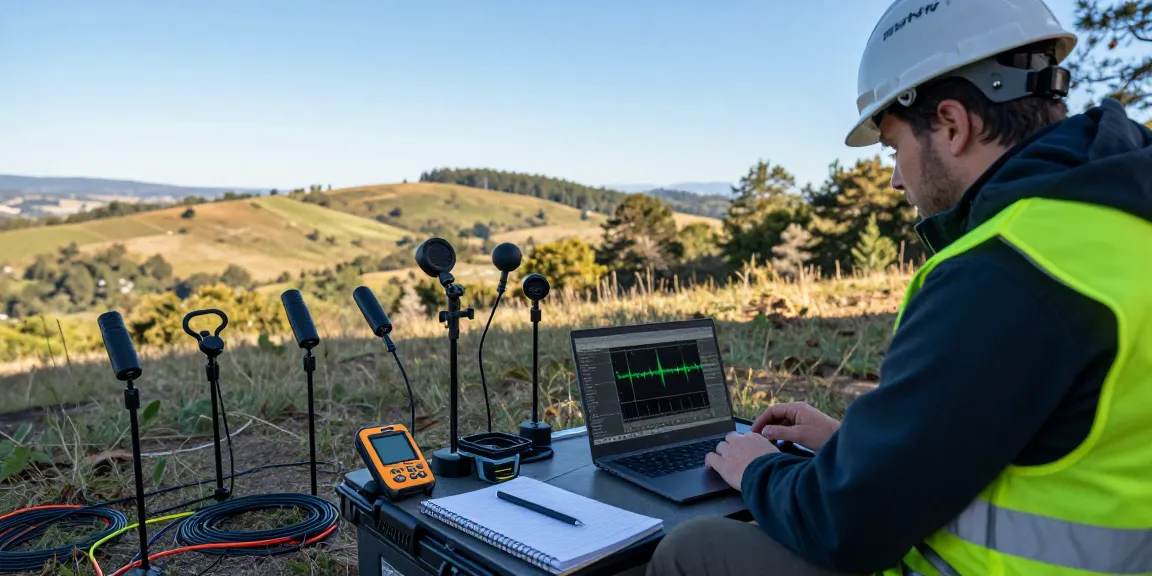
Understanding Geophones and Their Functionality
Geophones are essential instruments in the field of geophysics, serving as critical tools for detecting ground movement caused by seismic waves. These devices play a vital role in various applications, from exploring natural resources to monitoring geological hazards. In this article, we will explore the inner workings of geophones, their importance in seismic studies, and the different types available in the market today. For professionals seeking reliable geophones, geophone suppliers provide a necessary resource for the industry.
What is a Geophone and How Does it Work?
A geophone is a type of sensor that converts ground movement into electrical voltage. This process works on the principle of electromagnetic induction. Inside the geophone, there is typically a coil of wire suspended within a magnetic field. When the ground moves, the coil experiences motion relative to the magnetic field, generating a voltage signal proportional to the velocity of the ground movement. This signal can then be analyzed to determine seismic activities and subsurface geological structures.
The Importance of Geophones in Seismic Studies
Geophones are indispensable in seismic studies as they enable geophysicists and seismologists to gather accurate data on ground vibrations. This data is crucial for understanding seismic events, identifying fault lines, and assessing geological risks. The ability to capture minute vibrations allows for detailed analysis of subsurface conditions, which can aid in resource exploration, construction planning, and earthquake preparedness.
Types of Geophones and Their Applications
There are several types of geophones designed for specific applications, each with unique features:
- Vertical Geophones: These are often used in seismic surveys for oil and gas exploration, as they measure vertical ground motion effectively.
- Horizontal Geophones: These are tailored for detecting lateral ground movements and are key in assessing subsurface geological structures.
- Three-Component Geophones: These devices measure motions in three directions and are typically used in more complex seismic surveys and studies.
Each type of geophone can be equipped with different frequency ranges, sensitivity levels, and dynamic ranges, making it essential for professionals to choose the right model for their specific needs.
Setting Up Your Geophone System
Deploying a geophone system requires careful planning and execution to ensure accurate data collection. Understanding the essential components and best practices is crucial for achieving optimal performance.
Essential Equipment for Geophone Deployment
To set up a geophone system effectively, you will need the following essential equipment:
- Geophones: Select the appropriate geophones based on the targeted frequency and environmental conditions.
- Data Acquisition System: This system collects and processes signals from the geophones, translating them into usable data.
- Power Supply: Reliable power sources are critical for prolonging operational capabilities and ensuring consistent data capture.
Best Practices for Geophone Installation
Proper installation of geophones maximizes their effectiveness. Consider the following best practices:
- Ensure geophones are placed firmly in the ground to minimize noise from surface vibrations.
- Strategically position geophones in a grid pattern to cover the area of interest adequately.
- Maintain an appropriate distance between geophones to avoid cross-interference between signals.
Common Challenges and Solutions in Setup
Several challenges may arise when setting up geophone systems. Common issues include:
- Environmental Noise: Urban areas and construction sites may introduce interference. Using noise-filtering techniques can help mitigate this issue.
- Geological Variability: Different soil types can affect sensor performance. Calibrate geophones according to local geological conditions for improved accuracy.
- Data Loss: Ensure robust data storage solutions are in place to prevent loss due to system failures or interruptions.
Data Collection and Management
Once your geophone system is set up, the next step involves effective data collection and management. The quality of the data collected directly impacts the reliability of your seismic analysis.
Effective Methods for Collecting Seismic Data
Collecting seismic data can be done using various methods, such as:
- Active Seismic Surveys: Generate seismic waves using sources like hammer blows or explosive charges to analyze subsurface structures.
- Passive Seismic Monitoring: Use naturally occurring seismic waves, such as those from earthquakes, to study geological formations.
Using Software for Data Management and Analysis
Employing data management software is crucial for organizing and interpreting seismic data. Advanced software solutions can automate data processing, enhance visualization, and provide analytical tools that facilitate deeper insights into the data collected.
Interpreting Data for Accurate Results
Accurate interpretation of seismic data is vital for drawing meaningful conclusions. Utilize seismic interpretation techniques, such as:
- Time-Lapse Imaging: Monitor changes in geological formations over time.
- Amplitude Analysis: Explore changes in signal amplitude to infer material properties.
Collaboration between geophysicists and data analysts can lead to more robust interpretations and better decision-making.
Automating Your Geophone Workflow
As technology advances, automating the geophone workflow has become increasingly essential for enhancing operational efficiency and accuracy. Automation streamlines tasks and minimizes human error, allowing for more focus on analysis and decision-making.
Tools and Technologies for Workflow Automation
Several technologies can assist in automating geophone workflows, including:
- Data Acquisition Systems: Modern systems are often capable of real-time data collection and processing, reducing manual intervention.
- Machine Learning Algorithms: Implement these algorithms for predictive analysis of seismic data, ultimately augmenting interpretation accuracy.
Step-by-Step Guide to Implementing Automation
To implement automation in your geophone workflow, follow these steps:
- Assess your current workflow and identify areas where automation can yield the greatest benefit.
- Research and select appropriate software and hardware solutions that align with your operational goals.
- Train your team on the new technologies and processes to ensure a smooth transition.
- Monitor the implementation process and gather feedback to fine-tune operations continuously.
Measuring the Impact of Automation on Efficiency
After implementing automation, it is essential to measure its impact on operational efficiency. Metrics to consider include:
- Time savings in data collection and processing.
- Reduction in human error rates.
- Increased accuracy of data interpretations.
Future Trends in Geophone Technology
As we look ahead, the future of geophone technology is set to witness significant advancements driven by innovation and demand for efficiency. Understanding these trends will help professionals stay ahead in the field.
Emerging Technologies Shaping the Geophone Landscape
Key emerging technologies to watch include:
- Wireless Geophones: These units enhance flexibility and reduce the need for extensive cabling, simplifying deployment in difficult terrains.
- Smart Sensors: Integration of IoT technologies will facilitate real-time data transmission and remote monitoring capabilities.
Predictions for Geophone Advancements in 2026
Looking towards 2026, geophones are expected to evolve with enhanced sensitivity and data capacity. Anticipate the utilization of advanced materials and miniaturization techniques that will improve performance while reducing size.
Impact of Automation on the Future of Geophysical Research
Automation is poised to revolutionize geophysical research by enabling rapid data analysis and increasing the volume of actionable insights. This trend will enhance research collaboration and foster innovation across the industry.
What Are the Benefits of Using Automated Geophones?
Automated geophones offer numerous advantages:
- Continuous monitoring capabilities without the need for constant human oversight.
- Enhanced data integrity through minimized manual handling.
- Real-time processing and analysis leading to quicker decision-making.
How Do Geophones Integrate with Modern Geophysical Methods?
Geophones are increasingly being integrated with modern geophysical methods, including:
- Machine Learning: Analyzing large datasets to identify patterns and predict geological events.
- 3D Seismic Imaging: Utilizing geophone data to create detailed three-dimensional maps of geological structures.
The synergy between traditional geophone technology and modern analytical methods augurs well for future geophysical research efforts.. Additionally, resistivity cable provides further details.
