

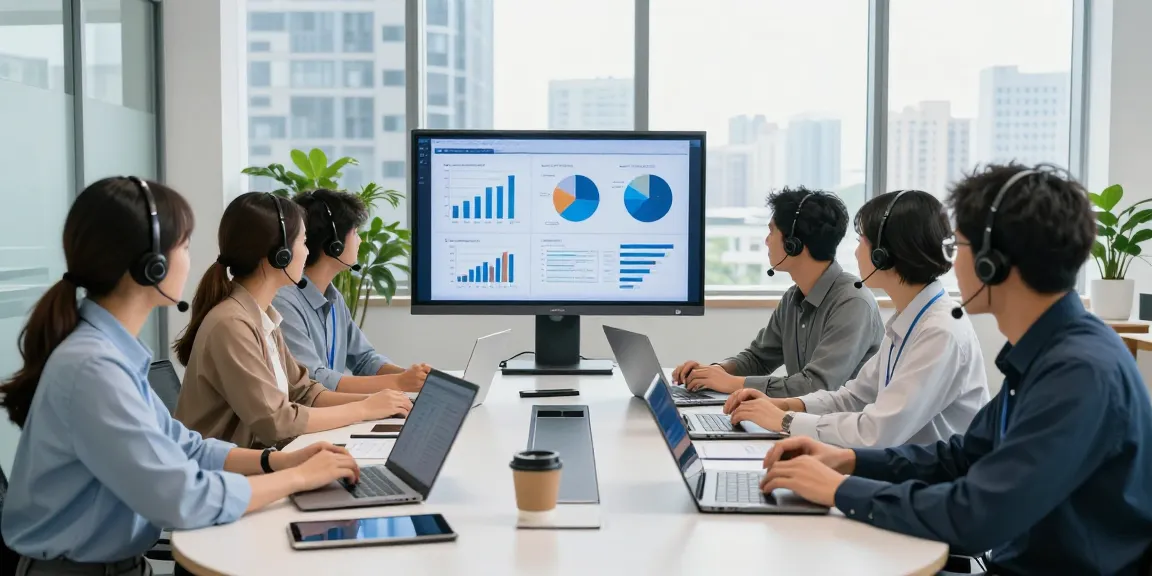
Understanding the Importance of IT Support for Businesses
In today’s fast-paced digital landscape, businesses of all sizes rely on technology to operate efficiently, communicate effectively, and maintain competitive advantage. Proactive IT support is not just a luxury but a necessity that enables organizations to function smoothly and securely. The right IT support can anticipate problems before they arise, ensuring business continuity and protecting valuable data. When exploring options, it support for businesses is a critical investment that can enhance productivity, security, and overall business performance.
What is IT Support?
IT support encompasses a wide range of services aimed at ensuring the proper functioning of an organization’s technology infrastructure. This includes troubleshooting software and hardware issues, managing networks, providing user training, and implementing security protocols. IT support can be delivered in-house by dedicated staff or outsourced to specialized third-party providers, offering businesses the flexibility to choose an approach that best fits their operational needs.
The Role of IT Support in Business Success
IT support plays a pivotal role in driving business success by contributing to operational efficiency. Reliable support systems facilitate uninterrupted access to necessary resources, enabling teams to focus on their core activities rather than getting bogged down by technical issues. Furthermore, effective IT support enhances customer satisfaction through improved service delivery and responsiveness, which is essential in today’s customer-centric market.
Common Challenges Faced by Businesses
Businesses often encounter several IT-related challenges that can hinder their progress. These include:
- Cybersecurity Threats: As cyberattacks become increasingly sophisticated, businesses face rising risks of data breaches and system disruptions.
- System Downtime: Technical failures can lead to significant downtime, disrupting operations and potentially resulting in lost revenue.
- Technological Complexity: With evolving technologies, businesses may struggle to keep up with updates and necessary training for their teams.
- Resource Constraints: Smaller firms may lack the budget to maintain a full-time IT staff, making outsourced support an attractive option.
Choosing the Right IT Support Package
The myriad of IT support options available can be overwhelming, but understanding your specific needs and long-term goals can simplify the decision-making process. Different packages cater to various business types and scales, from small startups to large enterprises.
Essential IT Support Options
Essential IT support packages are ideal for small businesses looking for basic yet effective assistance. These typically include:
- Helpdesk Support: Basic troubleshooting assistance for end-users.
- Device Monitoring: Keeping track of hardware performance to prevent failures.
- Proactive Maintenance: Regular updates and security patching to ensure systems run smoothly.
Advanced Managed IT Services
For businesses with more complex IT needs, advanced managed services provide comprehensive support, including:
- Cloud Solutions: Transitioning to cloud infrastructure for improved access and scalability.
- Continuous Security Monitoring: Regular assessments and updates to protect against cyber threats.
- Custom Solutions: Tailored IT services to fit unique business requirements.
Scaling Support for Growing Businesses
As businesses expand, their IT needs evolve. Scalable support solutions, such as co-managed IT services, allow a partnership between in-house teams and external IT providers, enhancing resource efficiency and flexibility.
Proactive IT Monitoring and Management
Proactive monitoring is an essential component of effective IT support that focuses on identifying and resolving issues before they impact operations. This approach minimizes downtime and enhances system reliability.
How RMM Technology Works for You
Remote Monitoring and Management (RMM) technology is a powerful tool that enables IT support providers to maintain oversight of multiple devices and applications across a network. With RMM, technicians can:
- Monitor System Health: Detect irregularities that could signal potential issues.
- Automate Updates: Ensure that software and security measures are consistently up to date.
- Conduct Regular Backups: Protect valuable data with routine backup processes.
Benefits of Proactive Monitoring
The benefits of proactive IT monitoring include increased productivity, reduced downtime, and enhanced security. By addressing issues before they escalate, businesses can maintain smooth operations and minimize disruptions.
Preventing IT Issues Before They Arise
Preventative measures are fundamental to a robust IT strategy. Organizations can deploy firewalls, implement antivirus software, and establish clear protocols for data access to preemptively address potential vulnerabilities.
Expert Insights on Cost-effective IT Solutions
Implementing an effective IT support strategy doesn’t have to break the bank. Understanding funding options and budgeting can lead to significant data security and operational efficiency benefits.
Flexible Funding Solutions
Businesses can explore various funding options for IT investments, such as leasing or financing arrangements that allow them to access the latest technologies without a substantial upfront investment. This flexibility helps in managing cash flow while upgrading essential tools.
Budgeting for IT Support
Creating a well-structured IT budget includes assessing current technology needs, forecasting future requirements, and allocating resources for potential upgrades. Companies should also factor in recurring costs for ongoing support and maintenance.
Leveraging Technology Partners for Savings
Collaborating with technology partners can unlock access to exclusive discounts, advanced tools, and expert knowledge. This can further streamline the support process while providing access to cutting-edge technology that might otherwise be out of reach.
Future Trends in IT Support for Businesses
As technology continues to evolve, so too will the landscape of IT support. Understanding emerging trends can help businesses adapt and stay ahead in a competitive environment.
Emerging Technologies to Watch
Artificial Intelligence (AI) and machine learning are playing increasingly significant roles in IT support. These technologies can enhance automation in monitoring systems and provide more personalized support experiences for users.
Cybersecurity and Compliance in 2026
With the growing realities of cyber threats, investing in strong cybersecurity measures will be crucial for businesses. Compliance with regulations such as GDPR and ongoing cybersecurity training for employees will be fundamental components of a robust IT strategy.
Adapting to Remote and Hybrid Work Environments
The shift to remote and hybrid work models has necessitated changes in IT support. Businesses must ensure that employees can connect securely from different locations while maintaining productivity and security standards.
What types of businesses benefit from IT support?
All businesses, regardless of size or industry, benefit from robust IT support. From startups seeking to establish a digital presence to large enterprises managing complex IT environments, the right support can enhance efficiency and security.
How to determine the best IT support for your company?
Assessment of specific business needs, scalability requirements, and budget constraints will guide the selection process. It’s crucial to choose a provider that aligns with your business objectives and offers customizable solutions.
What are the key benefits of proactive IT monitoring?
The primary benefits include reduced downtime, enhanced security, and improved system performance. Proactive monitoring allows organizations to maintain operational efficiency and safeguard against potential threats.
How can IT support help with cybersecurity?
IT support teams can implement necessary security measures such as firewalls, intrusion detection systems, and regular audits to protect sensitive data and ensure compliance with regulations.
What trends are shaping IT support services in 2026?
Trends include the integration of AI for automated support, the growing importance of cybersecurity, and the necessity for businesses to adapt to remote work models, making IT support more vital than ever.