Understanding the Importance of EURUSD Live Data Feed
For traders and financial analysts, having access to accurate and timely information is paramount. This is especially true in the fast-paced world of forex trading, where every millisecond can have financial repercussions. The EURUSD live data feed is a critical tool that provides real-time insights into one of the most traded currency pairs in the world. Understanding its importance can enhance trading strategies and decision-making processes.
What is EURUSD Live Data Feed?
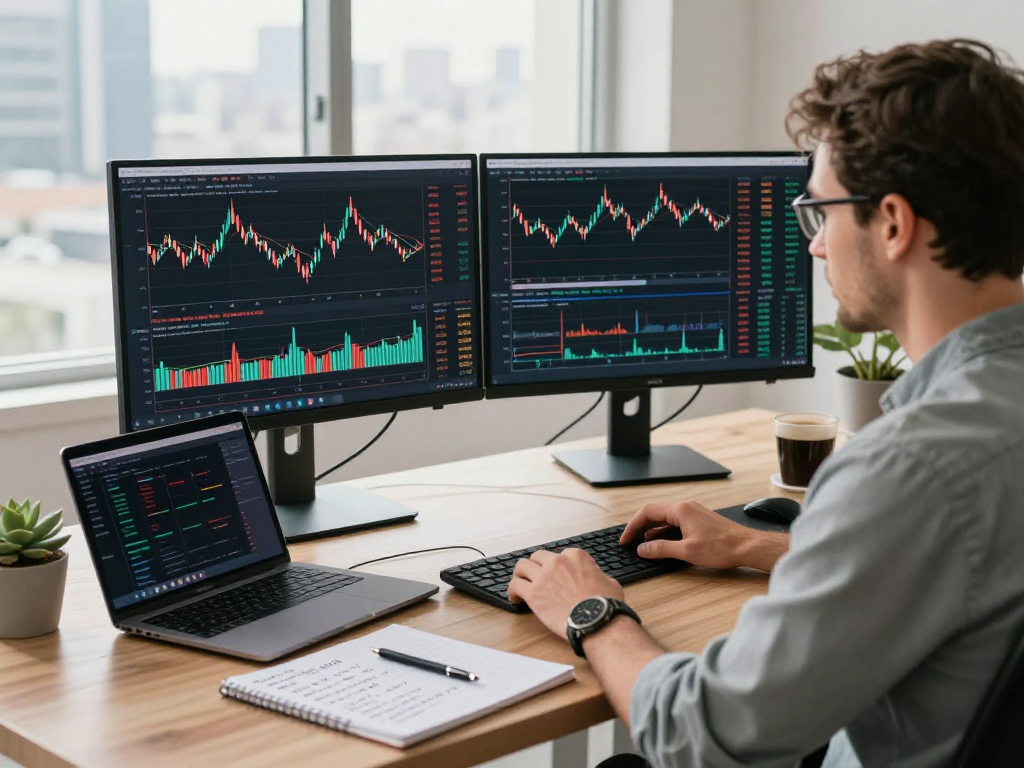
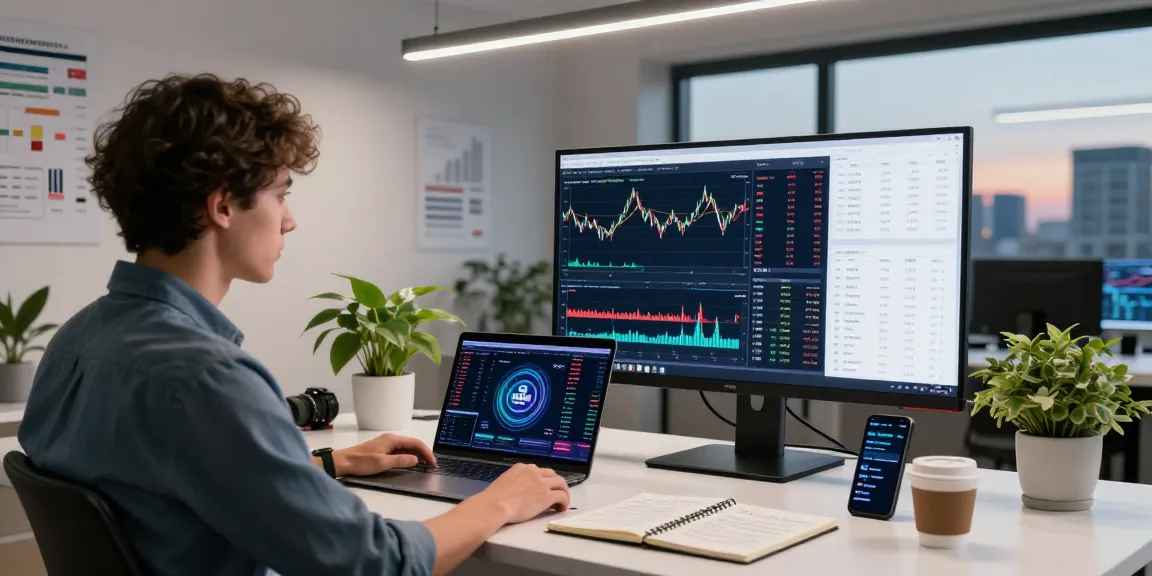
The EURUSD live data feed is a continuous stream of information regarding the exchange rate between the Euro (EUR) and the US Dollar (USD). This data is essential for traders who need to make quick decisions based on the latest market movements. The feed typically includes real-time market prices, historical trends, and other relevant data points that are crucial for analysis.
Why Real-Time Data Matters for Traders
Real-time data in forex trading is invaluable due to the rapidly changing nature of currency markets. Traders rely on live data feeds to identify opportunities and risks, allowing for timely execution of trades. Keeping abreast of real-time fluctuations in the EURUSD pair can significantly affect trading outcomes, as even minor shifts can lead to gains or losses.
Key Features of Effective Data Feeds
- Low Latency: Effective data feeds should deliver information with minimal delay, often in milliseconds.
- Comprehensive Coverage: A robust feed will cover multiple currency pairs, ensuring that traders have access to diverse market information.
- Technical Indicators: Inclusion of indicators like moving averages and RSI can enhance analytical capabilities.
- Integration Support: APIs should support both WebSocket push and RESTful queries for flexibility in integration.
Historical Context of Currency Exchange Rates
Understanding historical trends is crucial for forex traders as it helps them predict future movements based on past behavior. The EURUSD pair, being one of the most actively traded, has a rich history of fluctuations influenced by economic, political, and global events.
How EURUSD Trends Have Evolved
The EURUSD exchange rate has seen various trends over the years, influenced by factors such as monetary policy decisions and economic reports. Historical data shows significant movements, such as the sharp decline during the 2008 financial crisis, where the euro fell against the dollar due to investor panic.
Impact of Global Events on Currency Fluctuations
Global events, such as elections, trade deals, and economic sanctions, can heavily influence the EURUSD pair. For instance, the announcement of the European Central Bank's monetary policy can lead to immediate changes in the exchange rate, affecting traders' positions and strategies.
Lessons Learned from Historical Data
Historically, traders have learned valuable lessons regarding risk management and the importance of having a solid strategy based on data-driven insights. Patterns observed within the EURUSD trends can help traders devise better predictive models and understanding market sentiment.
Technological Innovations Enhancing Data Feeds
The forex market has been revolutionized by technological advancements that enhance how data feeds work. These innovations improve speed, accuracy, and accessibility of trading data.
WebSocket vs. RESTful API: Which is Better?
WebSocket and RESTful APIs serve different purposes in data transmission. WebSockets allow for real-time, two-way communication, making them ideal for live trading environments where speed is crucial. Conversely, RESTful APIs are more suited for fetching data at regular intervals, making them useful for historical analysis. The choice between them depends on the specific needs of the trader.
How Machine Learning Improves Data Accuracy
Machine learning algorithms analyze vast amounts of historical data to improve the accuracy of predictions regarding currency fluctuations. By recognizing patterns and anomalies, these algorithms can assist traders in making informed decisions based on data analysis rather than just intuition.
Future Trends in Forex API Technology
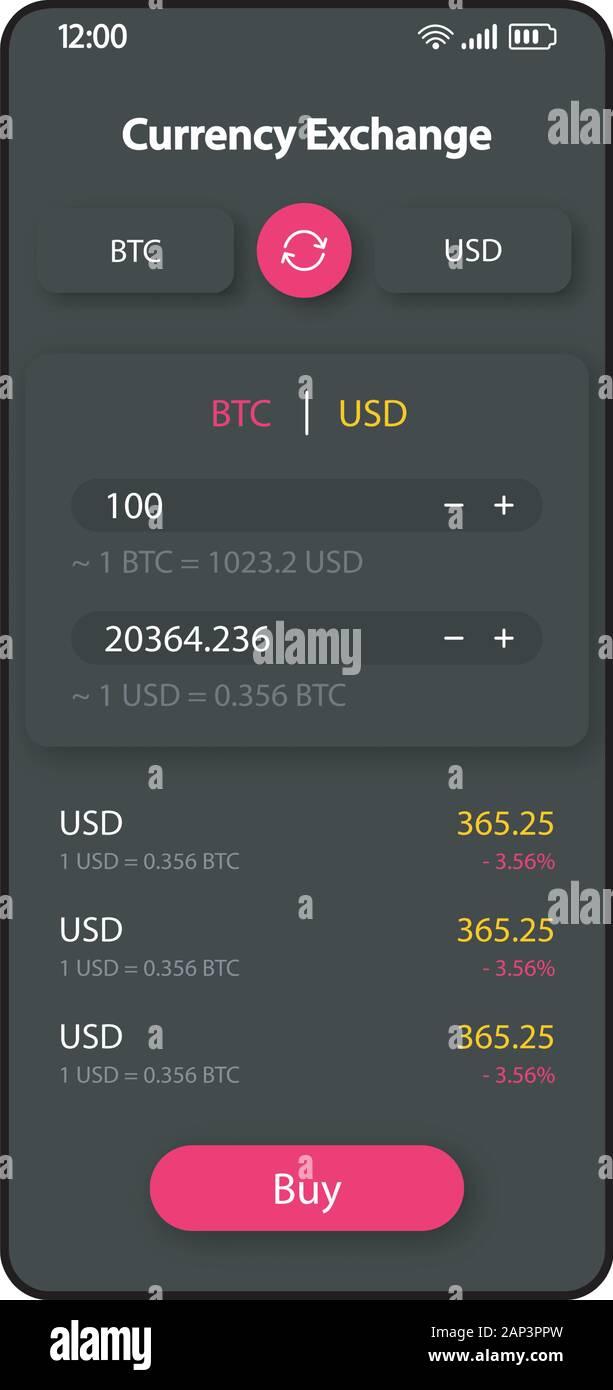
As technology continues to evolve, the future of Forex API technology looks promising. AI-driven analytics, enhanced user interfaces, and integration with mobile applications are setting the stage for a new era in trading. These innovations will provide traders with even more tools to refine their strategies and improve their chances of success.
Utilizing EURUSD Live Data for Trading Strategies
Effectively utilizing the EURUSD live data feed requires a strategic approach. Traders must incorporate various analysis techniques to maximize their trading performance.
Technical Analysis Techniques for Live Trading
Technical analysis relies on price charts and indicators derived from the EURUSD data feed. Techniques such as candlestick analysis, trend lines, and Fibonacci retracement can provide insights into potential market movements, helping traders to time their entries and exits better.
Integrating Economic Calendar Insights
Economic events, such as GDP announcements and job reports, can significantly impact currency values. Integrating insights from the economic calendar with real-time data feeds allows traders to anticipate market reactions and adjust their strategies accordingly.
Common Pitfalls to Avoid When Trading
Traders often fall into common traps such as overreacting to market noise or relying too heavily on a single data point. Maintaining a diversified strategy and utilizing multiple data sources can mitigate risks and enhance trading outcomes.
Future Trends and Predictions for 2026 and Beyond
The forex trading landscape is constantly evolving, and staying ahead of the curve is essential for traders who wish to remain competitive.
Emerging Technologies in Forex Trading
Emerging technologies such as blockchain and enhanced data analytics tools are beginning to reshape the forex trading environment. These technologies promise increased transparency and improved access to market data and liquidity.
The Role of Artificial Intelligence
AI is set to play a significant role in the future of forex trading. With the ability to process and analyze data faster than humans, AI can offer predictive insights and automate trading strategies, changing how traders operate.
What Traders Should Watch for in the Future
Traders should keep an eye on regulatory changes, as new policies can significantly affect market dynamics. Additionally, advancements in trading technology, such as increased connectivity and faster data feeds, will continue to influence trading strategies.
How to Stay Ahead in Forex Trading?
To stay ahead in forex trading, traders should continuously educate themselves on market trends and technological advancements. Engaging in forums, attending webinars, and leveraging sophisticated trading tools will enhance their understanding of the market landscape.