Understanding Modern Door Design Trends
As we look toward 2026, the world of architecture and interior design is continually evolving. Modern door designs are not just functional elements; they are integral parts of a home's aesthetic and can significantly influence a homeowner’s overall design narrative. In this exploration, we delve into the latest styles, materials, and technological innovations shaping the door industry. For those interested in deeper insights and additional resources, you can find more from our blog on this topic.
Key Styles and Materials for 2026
The styles and materials used in door design are evolving rapidly, influenced by shifts in consumer preference, environmental concerns, and technological advancements. Some of the prominent styles expected to dominate the market include:
- Minimalist Designs: Simple, clean lines with a focus on functionality are increasingly sought after. Minimalist doors often feature flush surfaces and hidden hardware.
- Industrial Aesthetics: Doors that showcase raw materials, such as steel and reclaimed wood, are gaining traction, reflecting a desire for authenticity and character.
- Smart Doors: With the rise in smart home technology, doors equipped with smart locks and integrated security systems are becoming standard.
Materials like fiberglass and engineered wood are being favored for their durability and low maintenance, while glass doors are popular for their ability to create a seamless connection between indoor and outdoor spaces. Homeowners are also choosing sustainable materials as awareness of environmental issues increases.
Sustainable Practices in Door Manufacturing
Sustainability is at the forefront of modern manufacturing practices. Door manufacturers are adopting eco-friendly materials and processes to appeal to environmentally-conscious consumers. This includes using recycled materials, non-toxic finishes, and energy-efficient production methods. By choosing doors made from sustainable materials, homeowners can significantly reduce their carbon footprint while enhancing the beauty of their spaces.
Innovative Technologies in Door Systems
The door industry is embracing technology in unprecedented ways. Innovations such as biometric locks, RFID access systems, and automated opening mechanisms are transforming traditional doors into high-tech security features. Additionally, advancements in insulation technology are allowing doors to provide better energy efficiency, reducing heating and cooling costs for homeowners.
Benefits of Custom Doors for Homeowners
Custom doors are becoming increasingly popular among homeowners looking to make a unique statement while addressing specific needs. Choosing a custom door allows for personalization in both aesthetics and functionality, leading to several key benefits:
Enhancing Aesthetic Appeal
Custom doors can enhance the overall aesthetic of a home by providing a tailored look that reflects the homeowner's style. Whether opting for intricate designs, bespoke colors, or unusual materials, custom doors can serve as a focal point that elevates the entire design scheme.
Improving Energy Efficiency
Custom doors can be designed with energy efficiency in mind, incorporating advanced insulation materials and techniques to minimize heat loss. By upgrading to doors that meet modern energy standards, homeowners can reduce their energy bills and maintain a more comfortable indoor climate year-round.
Increasing Property Value
Investing in custom doors can significantly increase the property value of a home. Unique, high-quality doors appeal to potential buyers and can be a deciding factor during a home sale, often leading to a higher return on investment.
Challenges in Door Selection and Installation
While customizing doors offers numerous benefits, it also presents challenges for homeowners. Being aware of these challenges can help in making informed decisions throughout the selection and installation processes.
Common Misconceptions About Custom Doors
Many homeowners believe that custom doors are prohibitively expensive or that they only cater to high-end markets. However, custom options are available at various price points, and the long-term benefits often outweigh the initial investment.
Balancing Functionality and Design
It can be challenging to find a door that balances aesthetic appeal with practical functionality. Homeowners must consider factors such as security, ease of use, and maintenance alongside design preferences.
How to Choose the Right Door for Your Home
Choosing the right door involves assessing your home's architectural style, understanding personal preferences, and determining the intended function of the door (entry, interior, or patio). Consulting with design professionals can help streamline this process and ensure satisfaction with the final decision.
Step-by-Step Guide to Choosing and Installing Doors
Assessing Your Home’s Needs
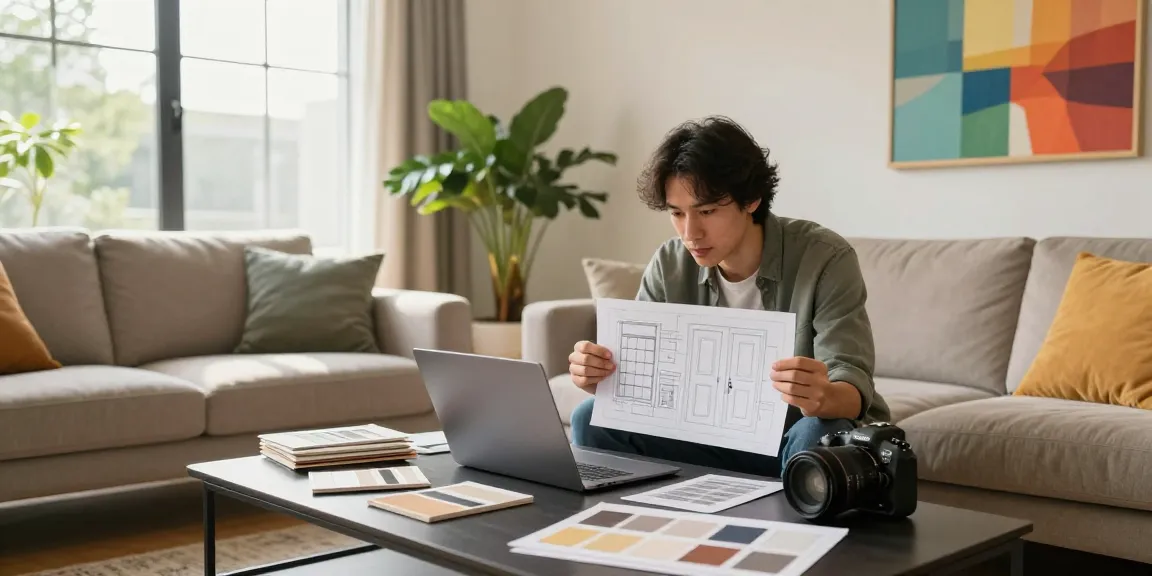
The first step in selecting a door is to assess your home’s specific needs. Consider factors such as security, temperature control, and how the door fits into your overall design scheme. This assessment will guide your choices and help you prioritize features that align with your lifestyle.
Consultation with Design Professionals
Engaging with design experts can provide valuable insights into the best door options for your home. Professionals can recommend materials, styles, and installation methods that are tailored to your needs and budget, helping you make informed decisions.
Installation Tips and Best Practices
Proper installation is crucial for the functionality and longevity of your door. Hiring experienced professionals is recommended, as they understand intricacies like frame alignment and weather sealing, ensuring that the door performs optimally and meets warranty standards.
Future Trends in the Door Industry
As we look to the future, the door industry is poised for exciting developments influenced by changing consumer preferences and advancements in technology. Here are some trends to watch for in 2026:
Emerging Designs and Technology for 2026
Expect to see more doors featuring integrated smart technology and interactive features. These innovations will cater to the need for enhanced security and convenience while also appealing to tech-savvy homeowners.
Consumer Preferences Shaping the Market
Consumers are increasingly looking for customizable options that reflect their individual tastes. This trend will drive manufacturers to offer more diverse designs, colors, and finishes to meet varied aesthetic demands.
Expert Predictions and Insights
Industry experts anticipate a significant shift towards doors that blend functionality with artistry, moving away from purely utilitarian designs. Custom doors will increasingly be seen as design statements rather than mere access points.
What Should Homeowners Expect?
Homeowners can look forward to a greater selection of innovative, eco-friendly door options that cater to various budgets and styles. As sustainability remains a priority, expect to see more environmentally responsible manufacturing practices becoming mainstream in the door industry.